
Short version: your keys are everything. Simple sentence. But then things get messy fast. Wow!
Okay, so check this out—most users obsess about market moves and phishing emails, and they should care, sure. But my gut keeps yelling that custody basics get skipped. Something felt off about how people store seed phrases on their phones. Really? Yes. Initially I thought a photo in Google Photos would be harmless, but then realized that cloud backups, metadata, and account compromises make that a terrible plan. Actually, wait—let me rephrase that: cloud copies are convenient but also a single point of failure, and I want you to avoid that trap.
I’ll be honest: I’m biased toward hardware wallets. I use them every day. I’m also not 100% sure every model is perfect. There are tradeoffs. On one hand you get strong offline signing, though actually on the other hand you must guard the seed phrase like a passport. My instinct said treat seeds like cash in a motel room—out of sight and out of easy reach.
Transaction signing deserves an exclamation because it’s the moment your money actually leaves your control. Whoa! Signing transactions offline keeps your private key away from hostile browsers and malicious apps. For users with hardware wallets, that means the device holds the private key and only signs a pre-checked transaction. But watch the screen. The device can display addresses and amounts wrongly if firmware is compromised, so verify every line visually and cross-check the receiving address when possible. Hmm… verify twice.
There are common failure modes I’ve seen. People approve transactions without reading. People reuse single-factor machines. People accept “convenient” browser extensions that prompt for approvals. The first is human error. The second is risk stacking. The third is… well, avoid it. Simple practice: when signing, slow down. Read the address. Read the amount. Imagine your bank teller asking you twice before handing over cash. You’d pause. Do the same here.
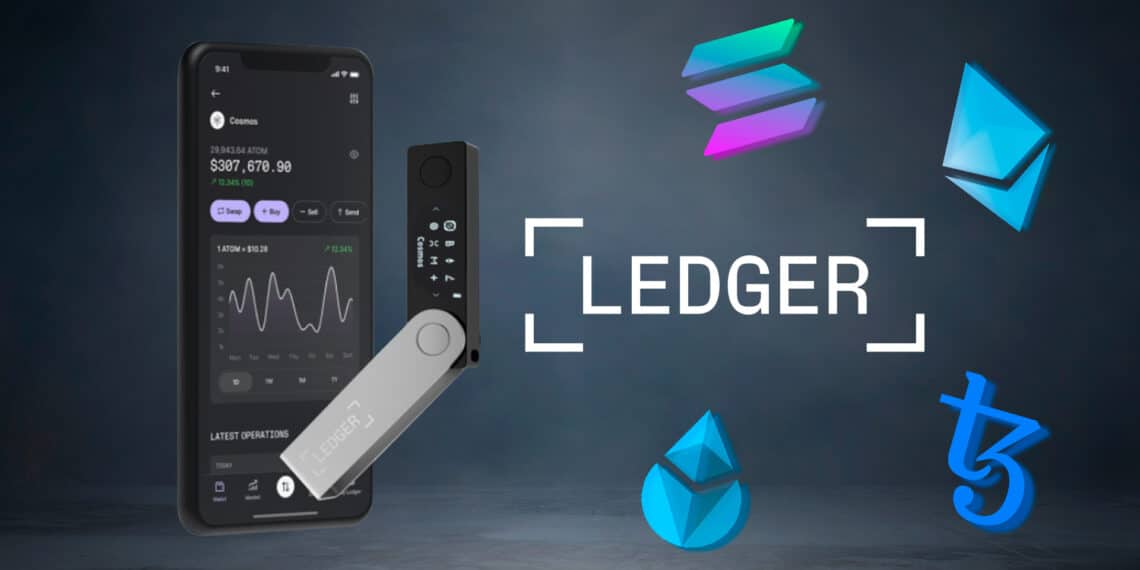
Practical rules for signing, backing up, and locking down private keys (and why they matter)
Rule one: never share your seed phrase. No one needs it. No reputable support team will ask. Repeat that. Seriously? Yes, very very serious. Treat the seed like nuclear codes—if it leaks, you lose control. For extra peace of mind, use a hardware wallet to keep the seed offline and use passphrase protection on top (a user-chosen word that creates a hidden wallet). That adds a layer—it’s not bulletproof, but it raises the bar.
Rule two: make backups that survive disaster. Metal plating, stamped steel, or engraved titanium will outlast a kitchen fire or flood. Paper? Fine, for a short term, but it rots, it fades, it rips. I once watched someone store seeds in a photo album in a damp basement—bad idea. Store copies in geographically separated locations, and don’t make identical copies sitting under the same roof. Off-site bank safe deposit boxes are old-school but still solid for critical backups. (Oh, and by the way… don’t write it on a sticky note stuck to your monitor.)
Rule three: test your recovery. A backup that can’t restore is worthless. Create a new device from your backup before you need it. Initially I thought this was overkill, then realized people with only theoretical backups often fail the recovery test. Try the recovery process on a spare device; practice makes operation smooth under stress.
Rule four: layered access controls. Use hardware wallets for signing. Use a separate, clean computer or an air-gapped device when you must create and sign large transactions. Don’t reuse the same machine for email, browsing, and signing. I know it sounds extreme—some of you are thinking “I don’t have that kind of setup.” Start small. A dedicated laptop that never installs extra software is a big improvement.
Rule five: watch firmware and vendor links. Download updates and software only from vendor sites or trusted sources. If you want a companion app, check it out yourself and verify checksums if available. And if you want a convenient way to manage accounts on desktop, I recommend using the official app—like ledger live—but do your due diligence. Verify the domain, check PGP/sha256 where provided, and be wary of deepfake websites. Yeah, it’s extra friction. Still worth it.
Private-key protection is more than a technical exercise. It’s also behavioral. People brag about their setups online. Don’t. Bragging creates targets. Information that seems trivial to you—your favorite exchange, your trading habit, the hardware model—helps attackers craft believable scams. Keep your crypto life low-profile.
I’ll throw in some specific dos and don’ts because lists are useful when making decisions under stress:
- Do: Use a reputable hardware wallet and enable firmware verification.
- Don’t: Store seed phrases in plain cloud storage, photos, or email drafts.
- Do: Use a passphrase (BIP39 passphrase) if you understand its tradeoffs.
- Don’t: Rely on a single backup copy—distribute and test recoveries.
- Do: Keep small operational balances for day-to-day use; cold store the rest.
- Don’t: Approve transactions without checking device screens and addresses.
Now some realistic threat models. On one end you have a casual thief who can access your home and steal paper notes. On the other is state-level actors attempting targeted hacks. The defenses differ. A stamped steel backup in two separate bank vaults plus a hidden passphrase is overkill for most folks, but it’s appropriate for high-net-worth or institutional custody. Most users should aim for hardware wallets with tested backups and offline signing for savings. The balance depends on your risk tolerance and threat model—be honest about yours.
FAQ
How often should I update my hardware wallet firmware?
When updates address security issues or add major features. Don’t rush every single minor release; read release notes, verify the update package, and install from the vendor’s official channel. If an update is marked critical, prioritize it after verifying integrity.
Is using a passphrase safe?
Yes, it increases security by creating hidden wallets, but it’s only as good as how well you remember/store that passphrase. If you lose the passphrase, the assets become unrecoverable. Consider an encrypted, geographically separated backup of the passphrase if you must.
What’s the simplest thing a beginner can do today to improve safety?
Buy a known hardware wallet, move your long-term holdings onto it, write the seed on a durable medium (not a phone photo), and test restoring to a spare device. That sequence will stop a lot of common losses.
Deixe uma resposta